
- Tips
- technology
- Frequently Asked Questions
- Tests
- mAh capacity
- Rated Capacity
- comparison
- everActive
- Batteries vs rechargeable batteries
- Accumulated energy
- Durability of rechargeable batteries
- Efficiency of rechargeable batteries
- battery voltage
- LR03 AAA
- LR6 AA
- eneloop
- AG13 LR1154 LR44
- CR 2032
- Delta V
- Charge Cycles
- internal resistance
- charge level
- memory effect
- accredited test
- SR44 357
- Hearing Batteries 675
- SR626 377
- Watch Batteries
- Polarity
- Mah
- passivation
- LS 14250
- LS 14500
Why do fresh Ni-MH rechargeable batteries not work in my device or work much worse than disposable batteries?



More and more users, following the trend of eco-friendly solutions, are opting to replace disposable batteries, especially the so-called "AA/AAA" batteries, with rechargeable batteries that can be charged multiple times.
We buy branded, high-capacity Ni-MH rechargeable batteries, invest in a good charger, and yet not all of our household devices work properly with the new power source. What is the cause, and what should we pay attention to? We invite you to read our practical guide.
It is worth going back to our previous post "What are the differences between a 1.2V Ni-MH rechargeable battery and a 1.5V alkaline battery?" and „Batteries or rechargeable batteries - the choice depends on the device!”
As you know from our publications, the vast majority of devices tolerate and work well with Ni-MH rechargeable batteries. These batteries offer similar voltage during operation and are size-compatible with typical batteries.
In very rare cases, however, devices do not work properly with Ni-MH rechargeable batteries and may even refuse to start.
Below we describe the most typical scenarios when even fresh rechargeable batteries do not work very effectively.
In addition to the specific situations described below, to ensure maximum reliability of freshly installed rechargeable batteries, we should:
- charge them before first use - even if they are completely new "ready to use" rechargeable batteries, equalizing the charge level before use helps avoid later problems with too deep discharge and rapid degradation of fresh cells,
- avoid mixing different rechargeable batteries with different charge levels in the device,
- remember that the voltage on rechargeable batteries decreases with storage - Ni-MH rechargeable batteries have the best discharge characteristics (offer the highest output voltage) when used a few hours after being removed from the charger,
- remember that over time batteries age, regardless of their usage conditions - after a few years, every Ni-MH battery with significantly increased resistance will behave very unpredictably and may cause numerous problems.
For the purposes of this article, we will divide the problems of devices with handling rechargeable batteries into the following cases:
1) the device does not start on Ni-MH rechargeable batteries, even immediately after charging them:
- regardless of the required current draw.
2) the device works on Ni-MH rechargeable batteries significantly shorter than on alkaline, single-use 1.5V batteries:
a) in low current draw devices, where batteries usually last many weeks between replacements, such as selected LED lights, the simplest flashlights, clocks, weather stations, thermometers, etc.
b) in devices with high (also impulsive-momentary) current draw, such as some wireless thermometers, blood pressure monitors, insulin pumps, powerful LED flashlights, gas igniters in "Junkers" heaters,
1) Rechargeable batteries do not allow our device to start at all, or the device starts for literally a second - even immediately after removing the rechargeable batteries from the charger.
Here, the most common reason is the lack of contact of the rechargeable battery in the power compartment of our device.
Rechargeable batteries are finished differently than single-use batteries, especially on the positive terminal side. It happens that the "tip" of the rechargeable battery simply does not touch the plate or spring in the power compartment of our device.
For example, due to the COVID-19 pandemic, popular pulse oximeters and touchless soap dispensers are where the "plus" of the rechargeable battery perfectly fits into the center of the applied pressure spring, with no chance for a good connection.
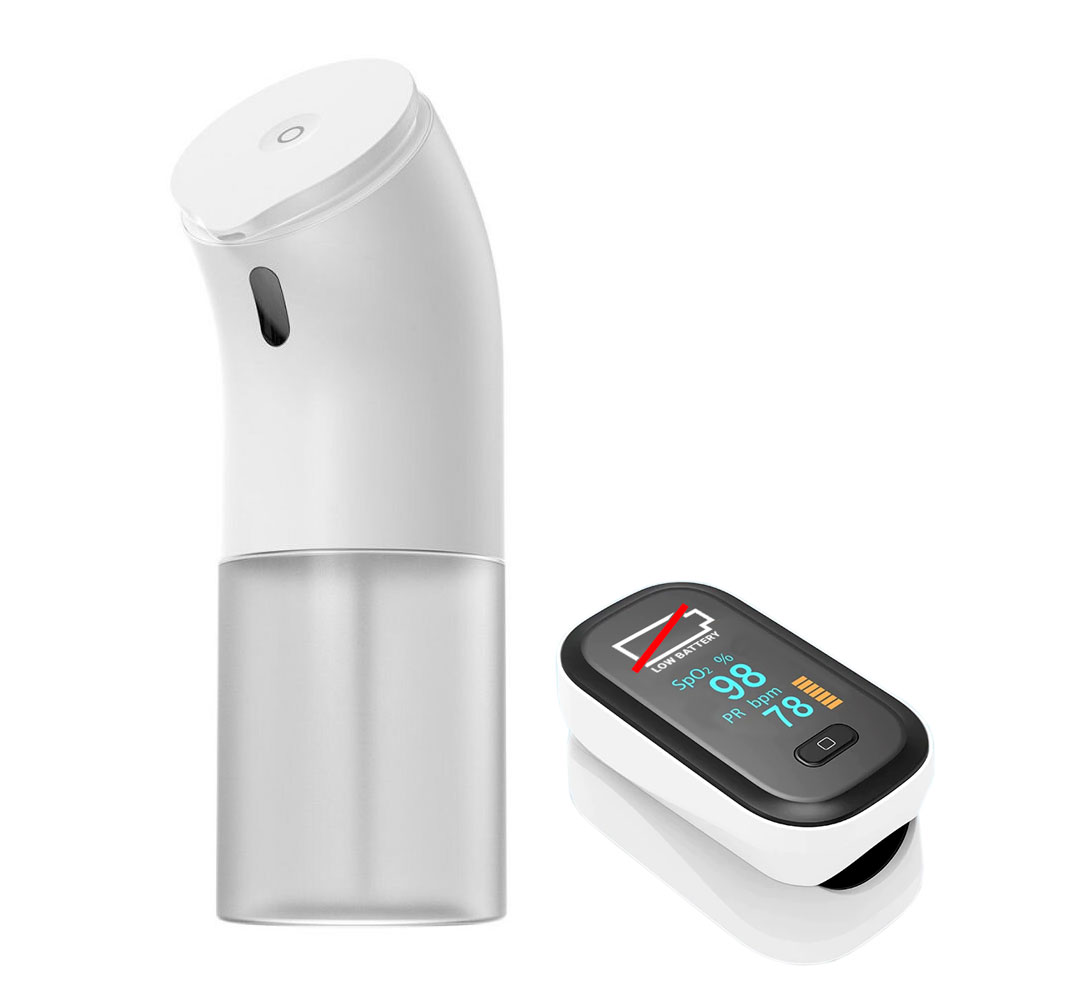
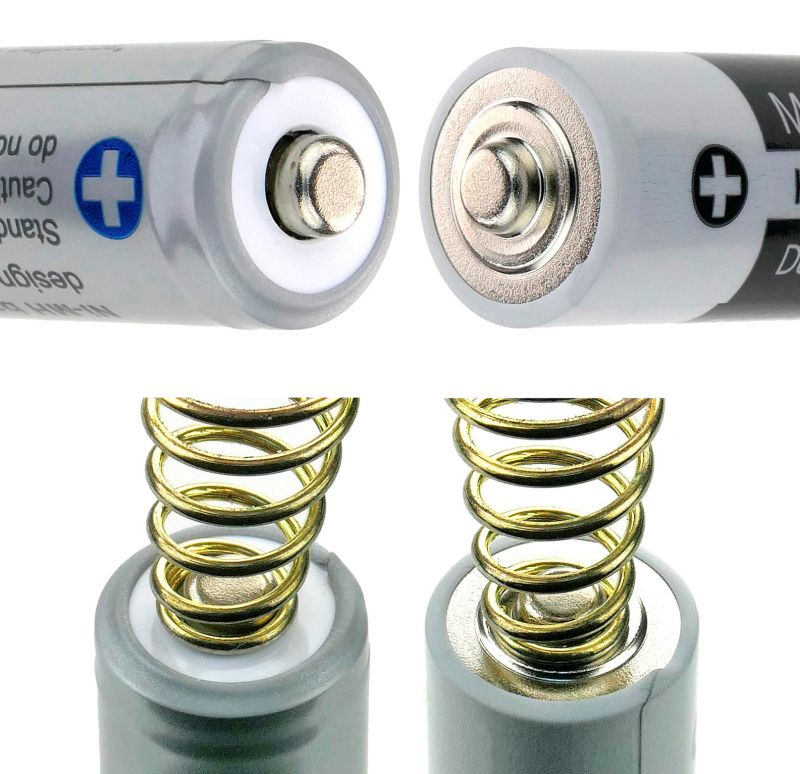
In such situations, the basic action is a visual assessment of whether a given battery has a chance to touch the metal contacts in the power compartment of our equipment.
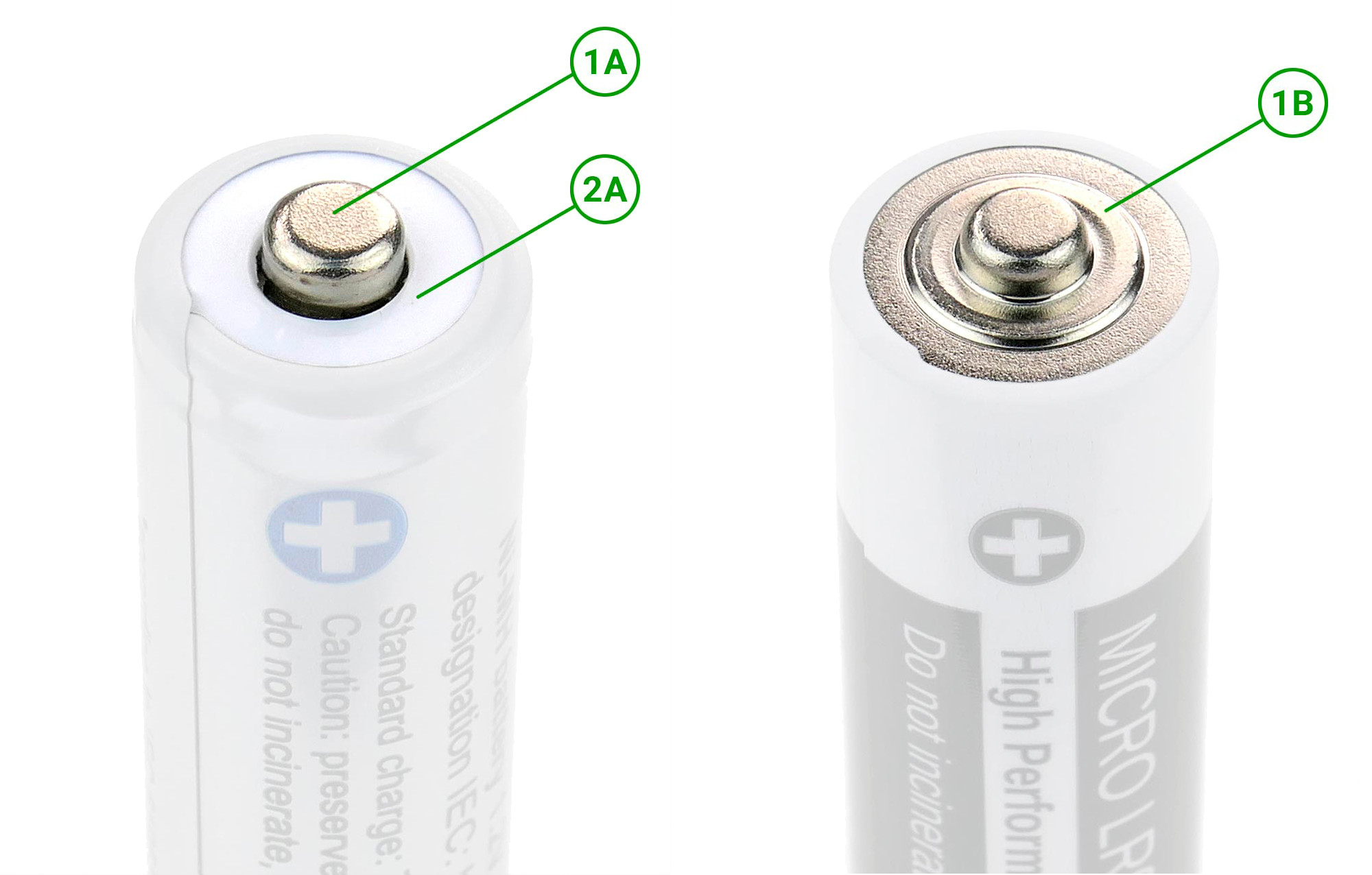
Remember that Ni-MH rechargeable batteries have a different structure on the positive terminal side - as shown in the picture, only the surface marked as 1A conducts current, while 2A is an insulator. Our contact in the device must touch the protruding element 1A; otherwise, the device may not even turn on.
Alkaline batteries in this case have a much larger contact area, marked in the picture as 1B.
If, despite good contact, the device still does not start, we need to assess whether we have properly charged rechargeable batteries.
If the voltage of the rechargeable battery during installation exceeds 1.30V, and the battery itself is not heavily used (several years old or one with significantly increased internal resistance), then every device should at least start for a moment.
2) Our device starts, but works much shorter on rechargeable batteries.
a) Low current draw equipment.
This is the only scenario where an alkaline battery actually has a certain advantage and offers a higher operating voltage than Ni-MH rechargeable batteries, allowing for more efficient operation of some devices.
In low-demand devices, even the most powerful Ni-MH battery will have a lower maximum capacity than a good alkaline battery - the capacity of alkaline batteries, measured under very low load conditions (about 5 mA and below) for size LR03 AAA can be about 1400 mAh and 3000 mAh for LR6 AA.
However, it happens that batteries work significantly shorter than would result from the difference in capacity alone.
In poorly designed devices, it happens that the battery refuses to work when its voltage drops to about 1.25V, or even 1.30V. In low current draw devices, a drop in the voltage of the alkaline battery to such a level usually still means non-optimal, about 60-70% discharge of that battery. Despite uncertain discharge, such batteries often work in the device for many months. The average operating voltage of alkaline batteries in such devices can be about 1.40V.
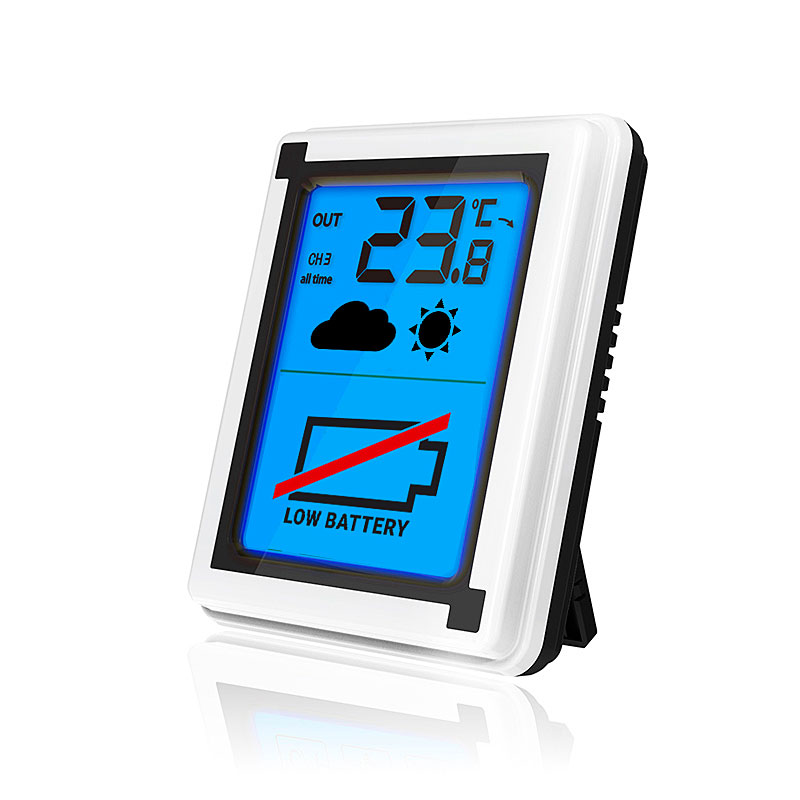
A typical Ni-MH rechargeable battery, regardless of discharge conditions, offers an average operating voltage of about 1.20V-1.25V, while a voltage of 1.40V is observed only for a moment after disconnecting from charging and in the target device, it quickly drops below the value of 1.30V. In a device that considers such voltage too low, rechargeable batteries will simply refuse to cooperate, even though they will still be 80-90% charged.
This is a rather rare situation, as there are fewer and fewer devices on the market that waste energy remaining in batteries - however, if we encounter such a device, we must unfortunately accept the fact that even single-use batteries will not be optimally consumed there, and Ni-MH rechargeable batteries will refuse to work much too early.
The higher average voltage of alkaline batteries in such a scenario also often causes, for example, more vivid (contrasting) display of LCD content (e.g., in electronic watches, weather stations, etc.).
Regardless of the mentioned, rare cases of "incompatibility" of devices with Ni-MH rechargeable batteries, remember that nickel-metal hydride batteries are not recommended for use in devices with very low current draw. This is due to their characteristics and the fact that they also age when not used. On such "lazy" used batteries, the so-called lazy battery effect may occur, which we describe in another article. The internal resistance increases, and the battery itself may cause problems when trying to recharge it.
Using Ni-MH rechargeable batteries in devices where regular single-use batteries last for many months does not bring economic or ecological benefits.
2) Our device starts, but works much shorter on rechargeable batteries.
b) High current draw equipment.
Ni-MH rechargeable batteries will always work more efficiently than alkaline batteries in such working conditions, offering higher capacity as well as higher average operating voltage.
Despite this, it happens that some devices still poorly tolerate rechargeable batteries, prematurely signaling their discharge. This time, the operating voltage does not matter much, but the way the device checks the "capabilities" of the batteries.
A device that has been specifically designed for alkaline batteries, especially a medical device such as a blood pressure monitor, must be highly reliable and provide repeatable results. As you know from our other articles, the internal resistance of a single alkaline battery is about 4-5 times higher than that of a Ni-MH rechargeable battery - this means that at high current draw, the voltage drop on a single-use battery will be several times higher than on a Ni-MH rechargeable battery, which can make the operation of the entire device unstable and highly uncertain.
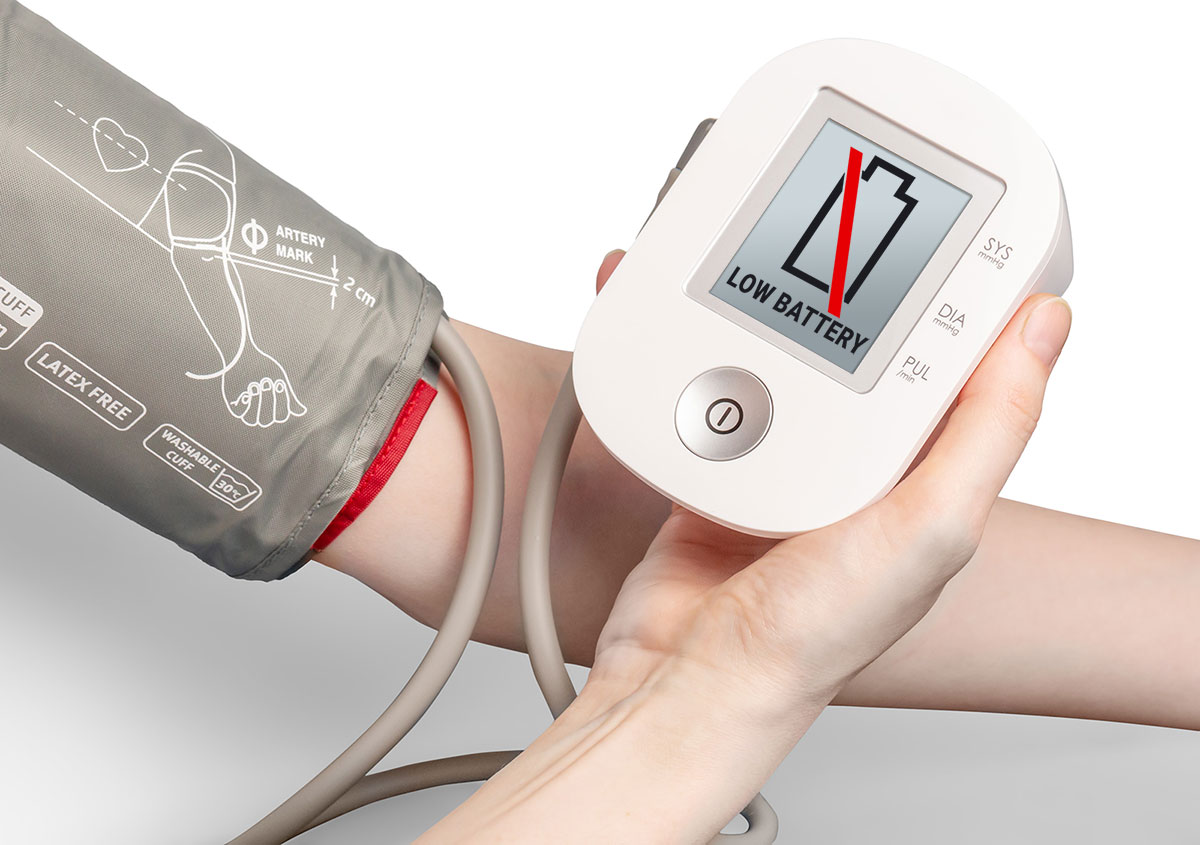
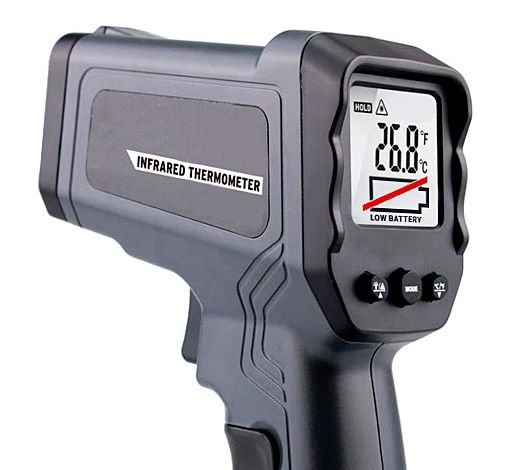
One of the simple ideas to ensure reliability and repeatability in such conditions is to determine the appropriate "reserve" voltage that must be detected before starting the compressor in the blood pressure monitor, etc.
As a result, a device that detects a starting voltage of about 1.25-1.30V may not be sure whether the voltage will not drop too low (even to 1.0V or below) under typical load on a single-use battery - therefore, for safety, it suggests replacing the battery. Ni-MH rechargeable batteries efficiently deliver high current (without noticeable voltage drop under load) even when their voltage drops below 1.30V, so technically there would be no obstacles to continue working in such a device - however, in such a situation, they may not even start, even though they will still be 80-90% charged. Similarly, the situation looks in the case of some igniters in gas heaters.
As in the previous scenario, such devices inefficiently utilize energy stored even in single-use batteries, thus causing significant problems with Ni-MH rechargeable batteries. Fortunately, there are also fewer and fewer such devices on the market.
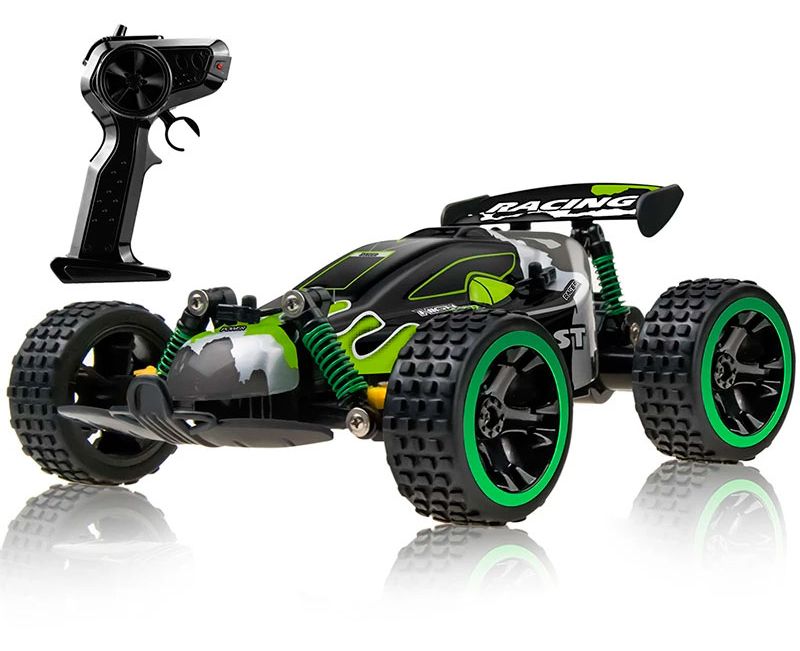
Another reason for the shorter (though usually slightly) working time of Ni-MH rechargeable batteries, e.g., in toys, powerful flashlights, etc., is the fact that rechargeable batteries can deliver more power than a typical alkaline battery - for example, an LED spotlight shines brighter but shorter on rechargeable batteries, or a remote-controlled car drives faster but not for as long.
Of course, in this scenario, as in any other, we should also ensure that the rechargeable batteries properly contact the springs and contacts in the power compartment of our device - contrary to appearances, this is a fairly common and often ignored problem that can be easily identified and eliminated.
3. Why does the manufacturer not recommend or even prohibit the use of Ni-MH rechargeable batteries?
The problem concerns a very small group of devices. Most often, these are devices with high current draw, so it would seem that rechargeable batteries should be a better choice.
There may be two reasons. The manufacturer knows in advance that the mechanism for detecting "weak" batteries will only work correctly with alkaline batteries, and its device will quickly refuse to cooperate with Ni-MH rechargeable batteries according to scenario 2b.
More often, however, the problem is not too low starting voltage, but too high average operating voltage of Ni-MH rechargeable batteries. Simple devices, where current draw is limited only by a simple resistor, are designed for a specific power source at a specific operating voltage. Ni-MH batteries, due to their much lower internal resistance, exhibit significantly higher operating voltage in such applications than alkaline batteries.
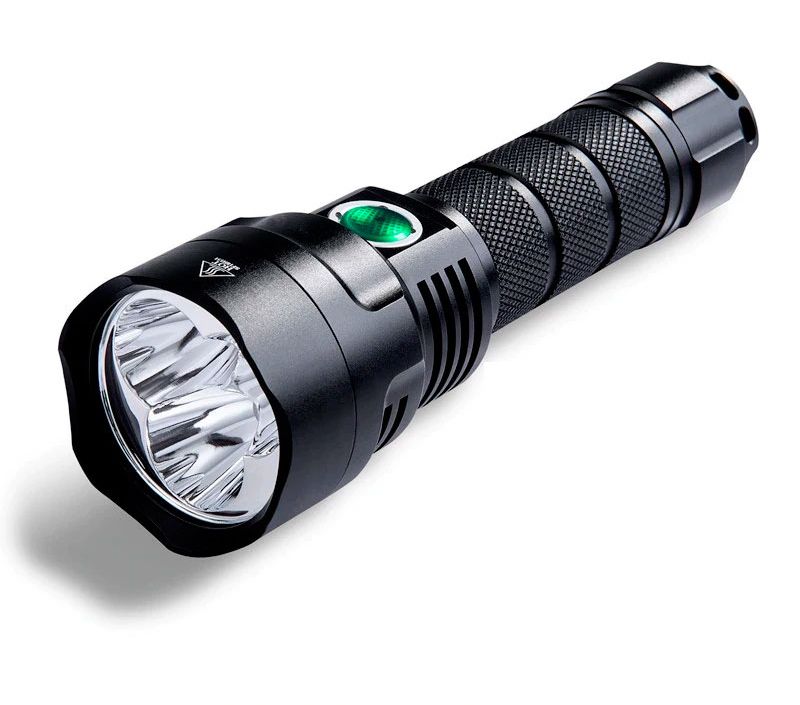
Using such a simple "regulator" based on a resistor translates directly into a higher current draw by such a device and "forces" it to work with higher power. It may seem that in many cases the effect will be positive - e.g., a more responsive motor, a brighter LED flashlight, etc.
Unfortunately, in some cases, if the manufacturer did not anticipate the use of rechargeable batteries, it may lead to overheating and destruction of electronic components, and consequently the entire device.
As with the other situations, such devices are currently rare on the market.
We hope that this article describes the possible reasons for the poor cooperation of devices with rechargeable batteries as simply and comprehensively as possible.
If you have a device that does not fit into any described scenario and still causes problems with rechargeable batteries, we encourage you to leave a comment - we will try to solve every mystery.
Author: Michał Seredziński
Copying the content of the text or its parts without the consent of a representative of Baltrade sp. z o.o. is prohibited.
You can buy popular rechargeable batteries at the store hurt.com.pl
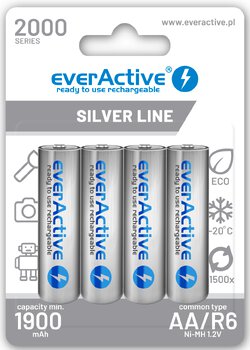
4 x AA / R6 everActive Ni-MH 2000 mAh rechargeable batteries ready to use "Silver line"
- excellent batteries at a low price
- 4pcs - factory consumer packaging - blister
- tested performance - real capacity
- pre-charged batteries, next generation made with Ready To Use technology
- highest quality of batteries confirmed by numerous tests
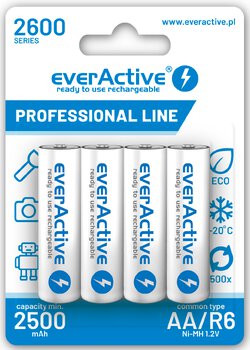
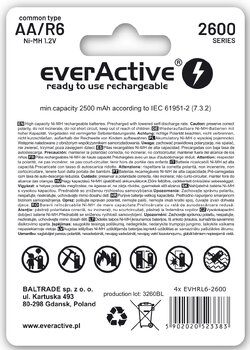
4 x AA / R6 everActive Ni-MH 2600 mAh rechargeable batteries ready to use "Professional line"
- excellent batteries at a low price
- 4pcs. - factory consumer packaging - blister
- tested performance - real capacity
- pre-charged batteries, next generation made with Ready To Use technology
- highest quality of batteries confirmed by numerous tests
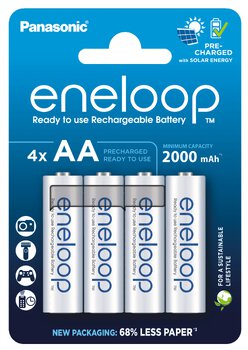
4 x AA / R6 Panasonic Eneloop Ni-MH 2000mAh BK-3MCDE/4BE (blister)
- higher capacity min. 2000 mAh
- up to 2100 charging cycles
- retains 70% energy after 10 years from charging!
- operates in low temperatures down to -20°C!
- charged in the production process with solar energy
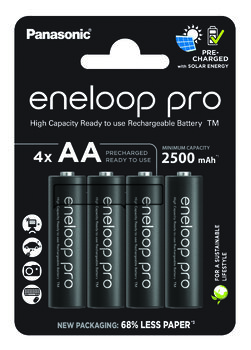
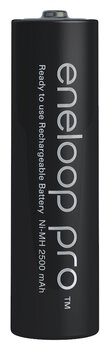
4 x R6 / AA Panasonic Eneloop PRO NEW Ni-MH 2500mAh BK-3HCDE/4BE (blister)
- highest capacity among new generation rechargeable batteries 2500 mAh
- retains 85% of energy after 12 months from charging!
- operates in low temperatures down to -20°C!
- charged during production with solar energy
-
Od 8 lat używam akumulatorków wszędzie gdzie się da. Kilka wypadło, ale dzięki odpowiednej ładowarce przywrócone do działania. Przetestowałem mnóstwo aku z niemal wszystkich firm. Jest ich sporo. Z doświadczenia wiem, że najlepiej spisały i spisują się aku seri 'Eneloop" firmy Sanyo, zwłaszcza te o wydłużonym utrzymaniu naładowania. Wszelkie aku Recyko, Infinity zawiodły mnie. Nie mają tej klasy. Zdały też egzamin tańsze Kodaki, które używam w domowych lampkach z czujnikiem ruchu. Badziew chiński omijam z daleka. Ładowarka musi być dobra, a nie tani szajs. Ładowarka musi regenerować aku, resetować i odnawiać, musi wskazywać poziom naładowania etc. Większość z posiadanych aku zakupiłem właśnie w hurt.com.1900
0
0
-
Świetny artykuł! Bardzo wiele przydatnych informacji. Dziękuję! :)1253
7
0